The landscape of global business is increasingly shaped by data-driven insights. Companies leverage key economic indicators to inform their strategies and adapt to local markets. Emerging trends highlight the importance of sustainability and technological advancements. As these elements intertwine, their impact on international trade becomes more pronounced. Understanding this complex interplay is crucial for businesses aiming to thrive in a competitive environment. What implications do these shifts hold for future commerce?
The Importance of Data in Global Business
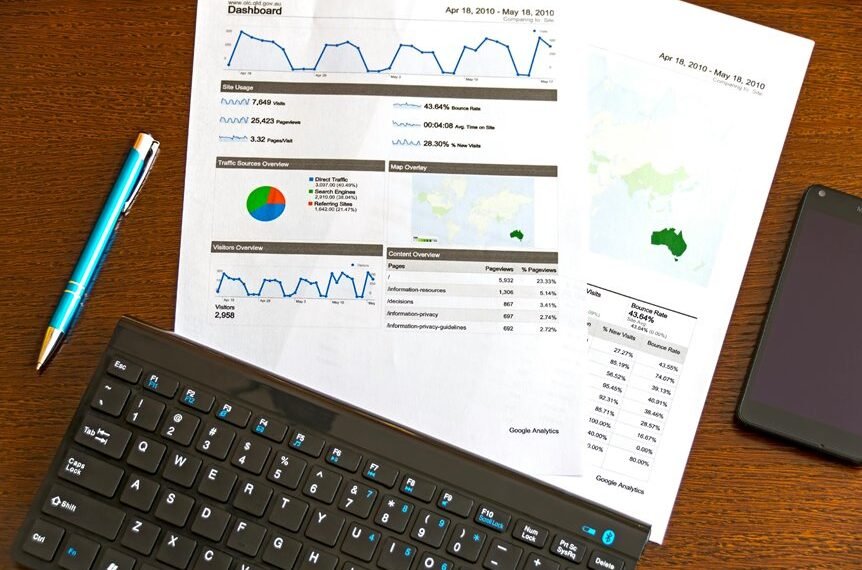
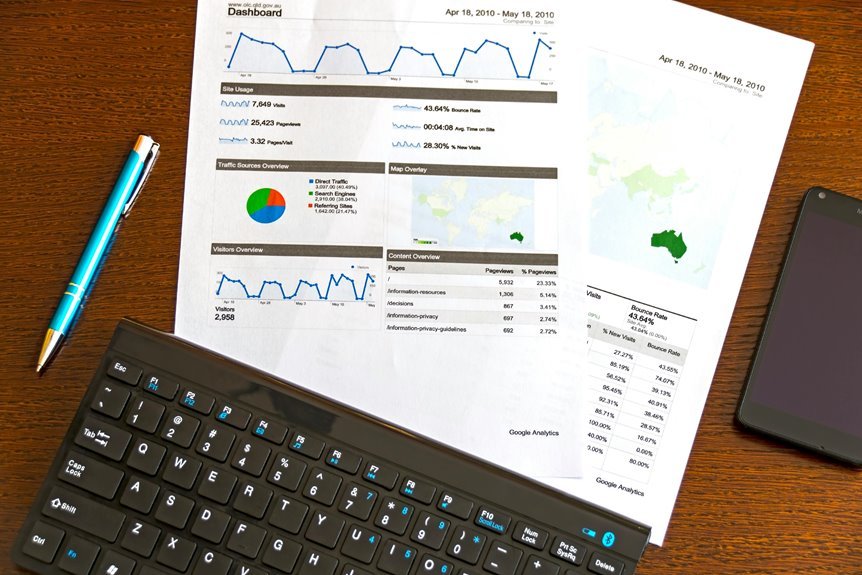
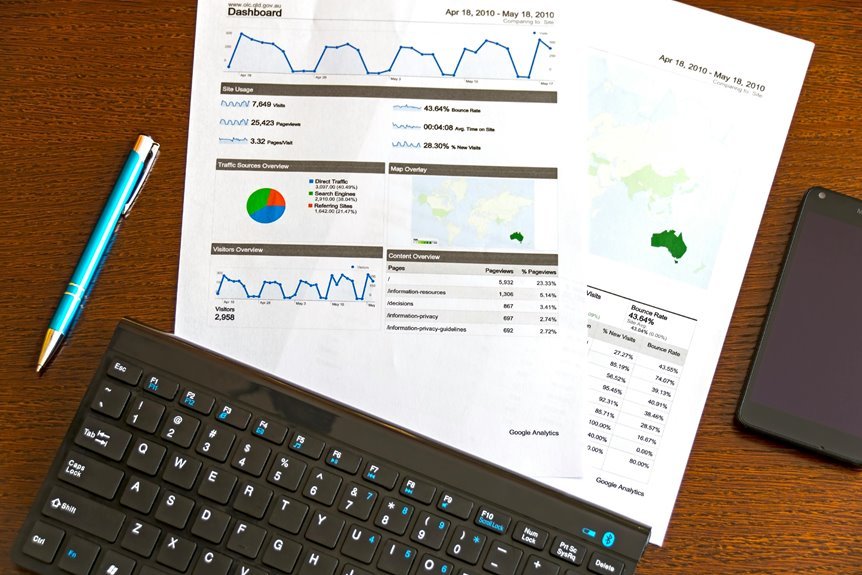
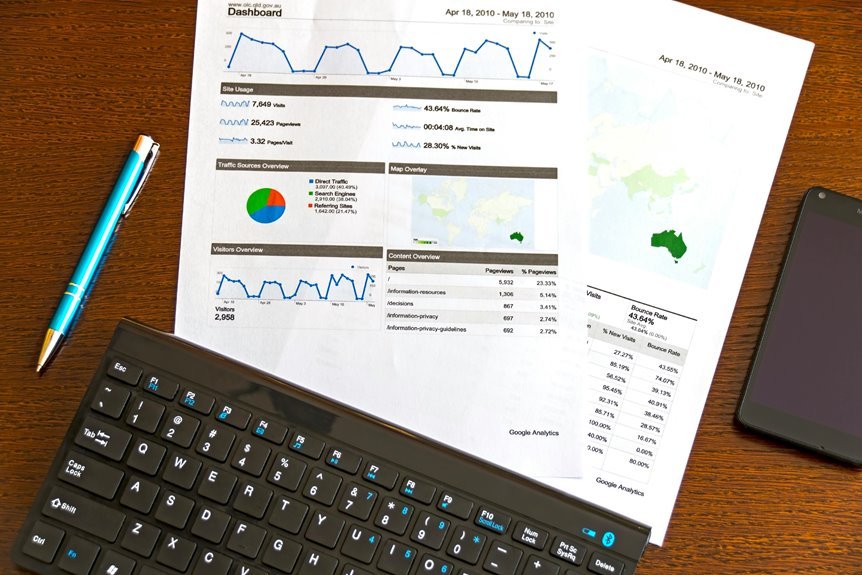
As businesses expand across borders, the significance of data in global operations becomes increasingly evident.
Companies rely on data-driven decisions to navigate diverse markets effectively. Market intelligence provides critical insights into consumer behavior and competitive landscapes, enabling firms to tailor strategies that resonate with local audiences.
Ultimately, leveraging data fosters adaptability, empowering organizations to thrive in an interconnected and dynamic global environment.
Analyzing Key Economic Indicators
Understanding key economic indicators is crucial for businesses seeking to expand globally, particularly since these metrics provide valuable insights into a country’s economic health and potential market opportunities.
Analyzing factors like economic growth, inflation rates, and consumer spending reveals market dynamics. Additionally, monitoring trade balances, unemployment trends, and currency fluctuations aids companies in making informed decisions, ultimately fostering successful international ventures.
Emerging Trends Shaping International Markets
The landscape of international markets is continuously evolving, influenced by a myriad of emerging trends that shape consumer behavior and business strategies.
Notably, sustainable practices are gaining traction, pushing companies to align with environmental values.
Additionally, market adaptability has become crucial, as businesses must respond swiftly to shifting consumer preferences and global dynamics, ensuring resilience and relevance in an increasingly interconnected world.
The Role of Technology in Global Trade
Although technology has long been a driving force in global trade, its recent advancements have transformed the landscape, enabling businesses to optimize operations and enhance efficiency.
Blockchain applications facilitate secure transactions, while digital currencies streamline payments across borders, reducing costs and processing times.
Together, these innovations empower enterprises to navigate complex markets, fostering greater freedom and flexibility in international commerce.
Conclusion
In the intricate tapestry of global business, the juxtaposition of data-driven decision-making against the backdrop of fluctuating economic indicators paints a vivid picture of opportunity and risk. While the promise of technological advancements and sustainable practices heralds a new era of efficiency and responsibility, the looming shadows of inflation and changing consumer behaviors challenge companies to adapt. Ultimately, success in this dynamic landscape hinges on the ability to navigate these complexities with agility and foresight, balancing innovation with caution.