Cracks and damaged walls are a common concern for homeowners, especially as buildings age or weather conditions take their toll. Rendering is often seen as a solution, but it’s important to understand what rendering can and cannot fix. This guide explains how rendering helps repair walls, the types of damage it can address, and when additional repairs are needed before rendering begins.
Understanding Wall Cracks and Damage
Wall cracks and surface damage can appear for many reasons, including natural building movement, temperature changes, moisture exposure, and ageing materials. Some cracks are purely cosmetic, while others indicate deeper structural or moisture-related problems. Identifying the type and cause of damage is the first step in deciding whether rendering is an effective solution.
What Types of Cracks Can Rendering Fix?
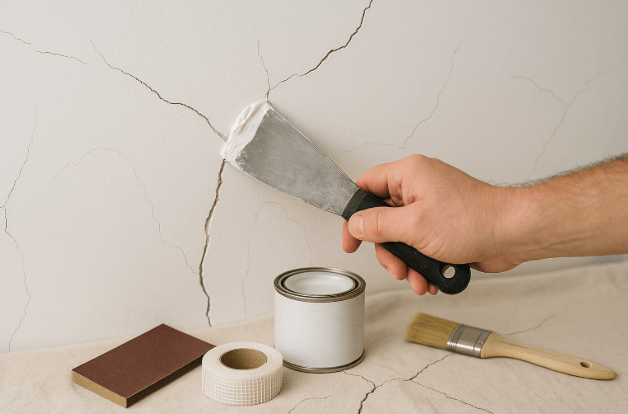
Rendering is very effective at fixing surface-level issues. Hairline cracks caused by shrinkage, minor movement, or weather exposure can be repaired and reinforced during the rendering process. Small cracks in existing render, flaking patches, and cosmetic surface damage can also be repaired before a new render is applied. In these cases, rendering restores both the appearance and protection of the wall while helping prevent further deterioration.
What Types of Wall Damage Rendering Cannot Fix
While rendering improves and protects wall surfaces, it is not a structural repair solution. Serious structural movement, foundation issues, or large cracks that continue to widen must be addressed before any rendering work takes place. Moisture-related problems such as rising damp, water leaks, or internal condensation also need to be resolved at the source. Applying house rendering over unresolved structural or moisture issues may temporarily hide the problem, but it will almost always return and cause further damage.
How Rendering Helps Repair and Protect Walls
When used correctly, rendering reinforces wall surfaces by filling minor cracks and creating a continuous protective layer. Modern render systems, especially acrylic and polymer-based options, add flexibility that helps accommodate minor building movement. Rendering also forms a barrier against moisture and weather exposure, reducing the likelihood of future surface damage.
The Wall Repair and Rendering Process
The process begins with a thorough inspection of the wall to identify cracks, loose material, or moisture concerns. Damaged areas are cleaned and repaired before rendering is applied. Cracks are filled and stabilised, ensuring a solid base for the new render. Once applied, the render is finished to the desired texture and allowed to cure. Sealing or painting may follow to enhance durability and appearance.
Cement Render vs Acrylic Render for Crack Repair
Cement render works well on solid, stable masonry where there is minimal movement. However, it is more rigid and can crack if the wall shifts over time. Acrylic render is more flexible, making it better suited to walls with minor movement or areas exposed to temperature changes. Texture coatings may also be recommended for added durability and long-term protection in harsh environments.
See also: How Schools Can Reduce Staff Overload Without Adding More People
When Should You Repair Cracks Before Rendering?
Cracks should be repaired as soon as they are noticed, especially if they allow water to enter the wall or continue to grow. Delaying repairs can lead to more extensive damage and higher repair costs. Seasonal conditions also matter, as rendering and repairs should be carried out in suitable weather to ensure proper curing and adhesion.
How Long Do Render Repairs Last?
The lifespan of render repairs depends largely on surface preparation, material choice, and application quality. When cracks are properly repaired and the correct render system is used, repairs can last for many years. Acrylic and polymer-based renders typically offer longer-lasting results due to their flexibility and resistance to cracking.
Should You Repair Cracks or Re-render Entire Walls?
Small, isolated cracks can often be repaired without re-rendering the entire wall. However, widespread cracking, ageing render, or inconsistent finishes may make full re-rendering the better option. A professional assessment helps determine whether patch repairs or complete rendering will provide the most durable and visually consistent outcome.
In Closing
Rendering can effectively fix minor cracks and surface damage, improving both the look and protection of your walls. However, it cannot resolve structural or moisture-related issues on its own. Proper inspection, preparation, and repair are essential before rendering begins. When done correctly, rendering is a reliable solution that strengthens walls, prevents future damage, and extends the life of your home’s exterior.