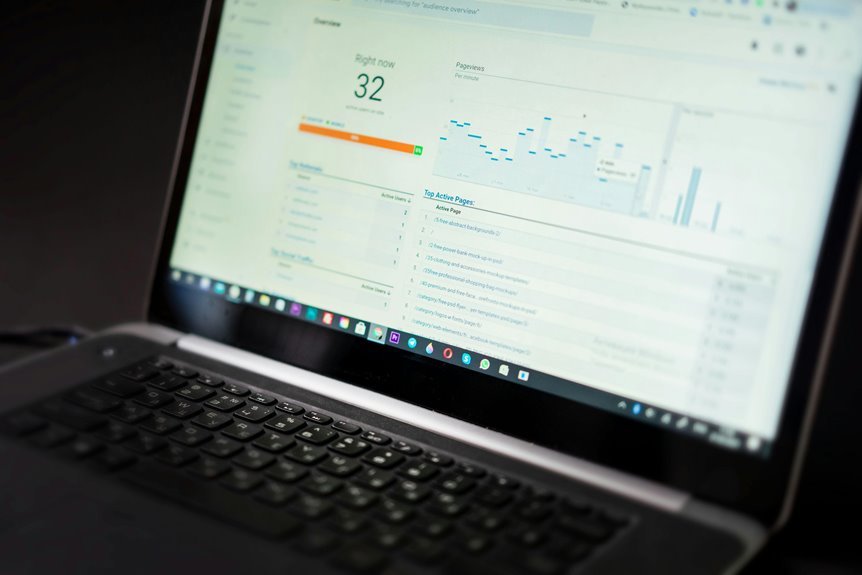
The operational intelligence dashboard, characterized by identifiers such as 47530642 and 686039005, serves as a critical resource for organizations aiming to enhance decision-making processes. By consolidating various data streams, it facilitates real-time analysis and trend identification. This structured approach not only improves operational efficiency but also encourages strategic responses to emerging patterns. Exploring the implications of specific identifiers may reveal deeper insights into performance metrics and their impact on business outcomes.
Understanding Operational Intelligence Dashboards
Operational intelligence dashboards serve as critical tools for organizations seeking to enhance their decision-making processes through real-time data visualization and analysis.
These dashboards integrate various data sources, providing insights that facilitate swift responses to operational challenges. By employing real-time monitoring, organizations can identify trends and anomalies, ensuring they remain agile and informed in a fast-paced environment.
Ultimately, this promotes operational efficiency and strategic freedom.
Key Metrics and Performance Indicators
Key metrics and performance indicators (KPIs) are essential components of an effective operational intelligence dashboard. They provide critical insights into organizational performance, enabling informed decision-making.
Analyzing Specific Identifiers
While understanding key metrics provides a foundation for operational intelligence, analyzing specific identifiers adds depth to the insights gathered.
Identifier analysis enables organizations to pinpoint trends and anomalies within datasets. By employing data visualization techniques, stakeholders can effectively interpret these identifiers, transforming raw data into actionable insights.
This process enhances decision-making, ultimately supporting a more agile and informed operational strategy within the organization.
Benefits of Implementing Dashboards for Businesses
The analysis of specific identifiers lays the groundwork for the implementation of dashboards, which serve as a vital tool for businesses seeking to enhance their operational efficiency.
By facilitating data visualization, dashboards enable stakeholders to grasp complex information swiftly, thereby streamlining decision making.
Ultimately, these tools empower organizations to identify trends, optimize processes, and foster a culture of informed choices.
Conclusion
In summary, the Operational Intelligence Dashboard serves as a critical nexus where diverse data converges, exemplifying how seemingly disparate identifiers can collectively unveil patterns and insights. The coincidence of these identifiers—47530642, 686039005, 120788667, 6176829138, 911210489, and 7168738800—highlights the interconnectedness of data points, emphasizing that strategic decision-making thrives on comprehensive analysis. By embracing such dashboards, businesses not only enhance operational efficiency but also cultivate an informed culture that champions continuous improvement amid complexity.