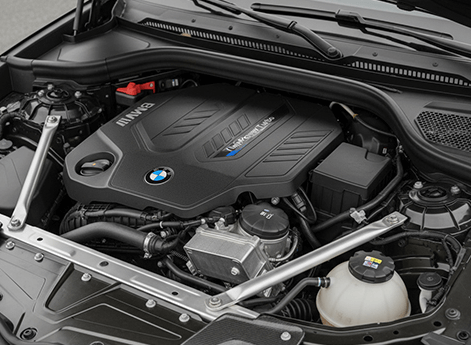
BMW vehicles are built with performance, precision, and advanced technology at their core. This engineering sets them apart from many standard cars and directly affects how they should be serviced. To maintain reliability, drivability, and long term value, BMW servicing relies on specialised oils, correctly specified parts, and brand-specific diagnostic tools.
Why BMW Engineering Is Different
BMW designs engines and drivetrains with tight tolerances and performance-focused characteristics. Turbocharging, advanced cooling systems, and electronically controlled components all work together to deliver smooth power and efficiency. Because these systems are closely integrated, servicing must follow exact standards to avoid affecting performance or causing premature wear.
Specialised Oils Used in BMW Vehicles
BMW engines require oils that meet specific BMW Longlife standards such as LL-01 or LL-04. These oils are formulated to handle higher operating temperatures, extended service intervals, and the demands of turbocharged engines. Using oil that does not meet BMW approval can lead to increased wear, sludge build up, or reduced engine protection. Correct oil choice is essential rather than optional.
Do BMW Vehicles Require Specialised Parts?
BMW components are engineered to precise specifications so they operate correctly with surrounding systems. Parts such as filters, spark plugs, sensors, suspension components, and braking systems are designed to meet BMW performance and safety requirements. While some aftermarket parts may fit, they may not perform or integrate as intended. Incorrect parts can lead to drivability issues, warning lights, or reduced longevity. Choosing correctly specified components through experienced bmw service Brisbane support helps ensure parts match BMW engineering standards rather than simply fitting physically.
The Role of BMW-Specific Diagnostic Tools
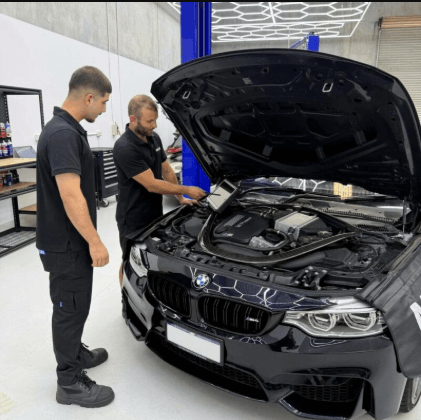
Modern BMWs rely heavily on electronic control units that manage engine performance, transmission behaviour, steering, braking, and safety systems. Generic diagnostic scanners can read basic fault codes but often cannot access deeper system data. BMW-specific diagnostic tools allow technicians to perform accurate fault finding, coding, programming, and system calibrations that generic tools cannot complete.
Examples of BMW Systems That Require Specialised Diagnostics
Several BMW systems depend on advanced diagnostics to function correctly. Engine management systems require precise sensor calibration. Automatic, DCT, and ZF transmissions often need adaptation procedures after servicing. Stability control, steering systems, and driver assistance features also rely on accurate electronic communication. Without the correct tools, these systems may not operate as designed.
Benefits of Using the Correct Oils, Parts, and Tools
Servicing a BMW with approved oils, correctly specified parts, and specialised diagnostics results in better reliability and performance. Accurate diagnostics reduce the risk of repeat repairs and unnecessary part replacement. Proper servicing also protects digital service history and supports long term resale value.
See also: global business data summary
Consequences of Incorrect Servicing
Using incorrect oils or parts can cause premature engine wear, poor performance, or persistent warning lights. Incomplete diagnostics may miss underlying faults, allowing small issues to develop into expensive repairs. Incorrect servicing can also complicate warranty claims and reduce confidence for future buyers.
How to Ensure Your BMW Is Serviced Correctly
Choosing a workshop with BMW experience is key. Technicians should use BMW-approved oils, fit parts that meet manufacturer specifications, and have access to BMW-compatible diagnostic equipment. Keeping consistent service records and following recommended intervals further supports reliability and ownership value.
Final Word
BMW vehicles do require specialised oils, parts, and diagnostic tools to be serviced correctly. Their performance-focused engineering leaves little room for compromise. Using the right products and technology ensures your BMW continues to deliver smooth performance, reliability, and the driving experience it was designed to provide.