Jammers are a popular swimwear choice for people who want comfort, support, and better performance in the water. They’re commonly seen in lap lanes, training squads, and open water sessions, but they’re not just for elite athletes. Understanding what jammers are used for can help you decide whether they’re the right option for your swimming routine.
This blog explains what jammers are, how they’re used, and why so many swimmers choose them over loose swim shorts.
What Are Jammers?
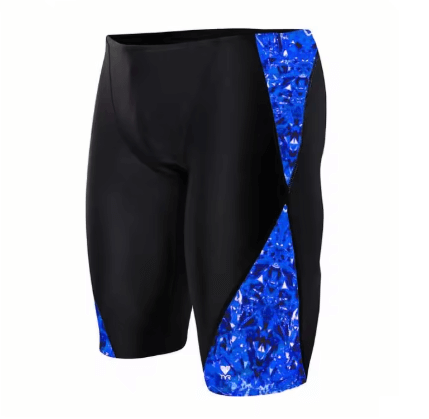
Jammers are tight‑fitting swim shorts that typically extend from the waist to just above the knee. They are designed to sit close to the body, creating a streamlined shape in the water. Most jammers are made from chlorine‑resistant synthetic fabrics with stretch, allowing freedom of movement while maintaining a secure fit.
Unlike casual swim shorts, jammers do not trap air or balloon in the water. This makes them especially suitable for swimming-focused activities rather than general beachwear.
Main Uses of Jammers
Swim Training and Fitness Swimming
Jammers are widely used for lap swimming and fitness training. Their close fit reduces drag, allowing swimmers to move more efficiently through the water. This makes them ideal for regular pool sessions, endurance swimming, and technique work where consistent body position matters.
Competitive Swimming and Racing
Many competitive swimmers choose jammers for training and racing because of their streamlined design. By minimising water resistance, jammers help swimmers focus on speed and technique without the distraction of loose fabric moving in the water.
Triathlon and Open Water Training
Jammers are also used by triathletes and open water swimmers during training. They provide support and a hydrodynamic fit while being easy to transition in and out of, especially when compared to bulkier swimwear.
Benefits of Wearing Jammers
One of the main benefits of wearing jammers is reduced drag. The snug fit helps swimmers maintain a smooth body position, which can improve efficiency and endurance. Jammers also offer gentle compression, providing support to the muscles during longer sessions.
Another benefit is comfort and confidence. Because they stay securely in place, swimmers don’t need to adjust them mid‑session. Many swimmers prefer the balanced coverage jammers offer compared to briefs or loose shorts. For those looking for a streamlined, fast‑drying option, jammers are designed to support both performance and comfort in the water.
Who Should Wear Jammers?
Jammers are suitable for swimmers of all levels. Beginners often appreciate the secure fit and reduced drag, which can make learning proper technique easier. Fitness swimmers benefit from the comfort and efficiency during long sessions, while competitive swimmers and triathletes rely on jammers for performance-focused training.
They’re also a good choice for anyone who prefers a more athletic swimwear style that stays put and feels supportive.
See also: Do BMW Vehicles Require Specialised Oils, Parts, or Diagnostic Tools?
How Jammers Differ From Other Swimwear
Compared to swim briefs, jammers offer more coverage while still maintaining a performance-focused fit. Compared to boardshorts or casual swim shorts, jammers are far more streamlined and do not create drag. This makes them the better option for swimming laps, training, or any activity where movement in the water matters.
Key Takeaways
Jammers are used for swimming that prioritises performance, comfort, and efficiency. From fitness laps to competitive training and open water preparation, they provide reduced drag, muscle support, and a secure fit. Whether you’re new to swimming or training regularly, jammers are a versatile and practical swimwear option that supports confident, focused time in the water.