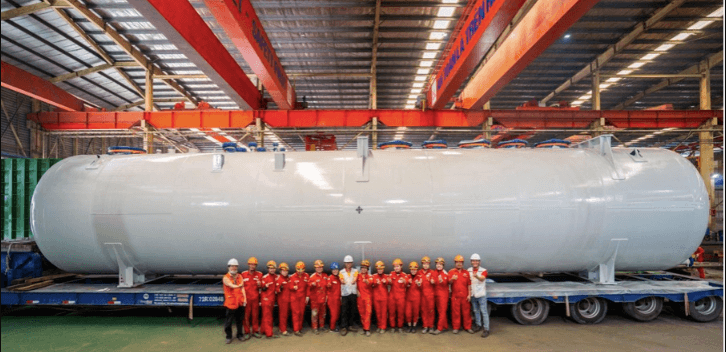
Above-ground storage tank design plays a critical role in industries across Canada, including oil and gas, agriculture, chemical processing, and water treatment. These tanks are essential for storing liquids such as petroleum products, chemicals, and potable water safely and efficiently. Given Canada’s diverse climate conditions and strict regulatory framework, designing above-ground storage tanks requires careful planning, adherence to standards, and a focus on long-term durability.
Understanding Above-Ground Storage Tank Design
Above-ground storage tank design refers to the engineering and planning process involved in creating tanks that are installed on or above the surface of the ground. Unlike underground tanks, these systems are easier to inspect, maintain, and repair. However, they are also more exposed to environmental factors such as temperature fluctuations, snow loads, wind, and corrosion, which must be accounted for during the design phase.In Canada, tank design must align with national and provincial regulations to ensure environmental protection and public safety. Engineers must consider factors like material selection, tank capacity, foundation design, and safety features.
Canadian Standards and Regulations
One of the most important aspects of above-ground storage tank design in Canada is compliance with recognized standards. The **CSA B139** (Installation Code for Oil-Burning Equipment) and **API 650** (Welded Tanks for Oil Storage) are commonly referenced guidelines. Additionally, environmental regulations enforced by provincial authorities and federal agencies require proper containment systems and leak prevention measures.
Designers must also follow the **National Fire Code of Canada (NFCC)** and local municipal regulations, which dictate requirements for spacing, fire protection, and spill control. Failure to comply can lead to significant fines and environmental damage.
Key Design Considerations
1. Material Selection
Choosing the right material is fundamental in above-ground storage tank design. Steel is the most widely used material due to its strength and durability. However, in corrosive environments, designers may opt for stainless steel or fiberglass-reinforced plastic (FRP). In Canada, where winters can be harsh, materials must withstand freezing temperatures without becoming brittle.
2. Climate and Environmental Factors
Canada’s climate varies significantly from region to region. Tanks in northern areas must be designed to handle heavy snow loads and extreme cold, while tanks in coastal regions must resist corrosion from salt exposure. Wind loads are another critical factor, particularly in open or elevated locations.
3. Foundation and Support Systems
A stable foundation is essential for the longevity of any above-ground storage tank. Engineers typically design reinforced concrete pads or ringwall foundations to support the tank’s weight and prevent settling. Proper drainage systems must also be included to avoid water accumulation, which can weaken the structure over time.
4. Secondary Containment
Environmental protection is a top priority in Canada. Secondary containment systems, such as dikes or double-walled tanks, are required to prevent leaks or spills from contaminating soil and water sources. These systems must be designed to hold at least 110% of the tank’s capacity.
5. Corrosion Protection
Corrosion is one of the biggest threats to storage tank integrity. Protective coatings, cathodic protection systems, and regular inspections are essential components of a well-designed tank system. In colder regions, freeze-thaw cycles can accelerate corrosion, making preventive measures even more important.
Safety Features and Risk Management
Safety is a core element of above-ground storage tank design. Tanks must be equipped with features such as pressure relief valves, overfill protection systems, and emergency shutoff mechanisms. Fire protection systems, including foam suppression and fire-resistant coatings, are also critical for tanks storing flammable liquids.
Risk assessments should be conducted during the design phase to identify potential hazards and implement mitigation strategies. This includes evaluating the tank’s location, nearby infrastructure, and potential environmental impacts.
See also: Premium Wood Staircase Manufacturers in the UK for Modern Layout Ideas
Maintenance and Inspection Requirements
Even the best-designed tanks require regular maintenance to ensure safe operation. Canadian regulations mandate periodic inspections to detect issues such as corrosion, leaks, or structural weaknesses. Non-destructive testing methods, such as ultrasonic testing and radiography, are commonly used to assess tank integrity.
A proactive maintenance plan not only extends the life of the tank but also reduces the risk of costly failures and environmental incidents.
Innovations in Tank Design
Modern above-ground storage tank design in Canada is increasingly incorporating advanced technologies. Automation systems, remote monitoring, and smart sensors allow operators to track tank conditions in real time. These innovations improve efficiency, enhance safety, and help companies comply with regulatory requirements.
Sustainable design practices are also gaining traction. This includes using eco-friendly materials, reducing emissions during construction, and designing tanks that minimize environmental impact.
Choosing the Right Tank Design Partner
Selecting an experienced engineering firm is crucial for successful above-ground storage tank design. Canadian companies often look for partners with a strong understanding of local regulations, climate challenges, and industry standards. A reliable partner will provide comprehensive services, from initial design and engineering to installation and ongoing support.
Conclusion
Above-ground storage tank design in Canada is a complex process that requires a balance of engineering expertise, regulatory compliance, and environmental responsibility. By focusing on material selection, climate considerations, safety features, and maintenance planning, businesses can ensure their storage systems are both efficient and secure.
As industries continue to evolve, adopting modern technologies and sustainable practices will be key to staying competitive. Whether for oil storage, water management, or chemical processing, a well-designed above-ground storage tank is an investment in safety, reliability, and long-term performance.